Description
ADAS calibration equipment used to recalibrate Advanced Driver Assistance Systems
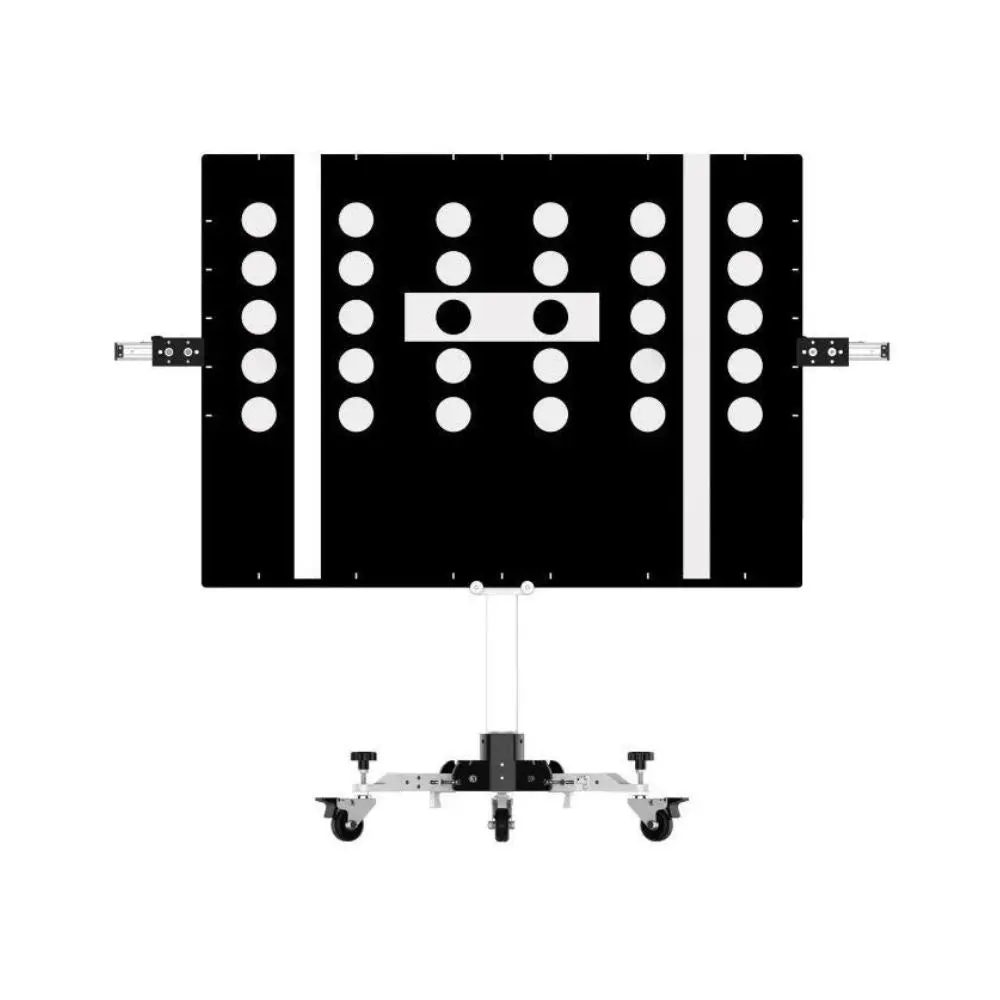
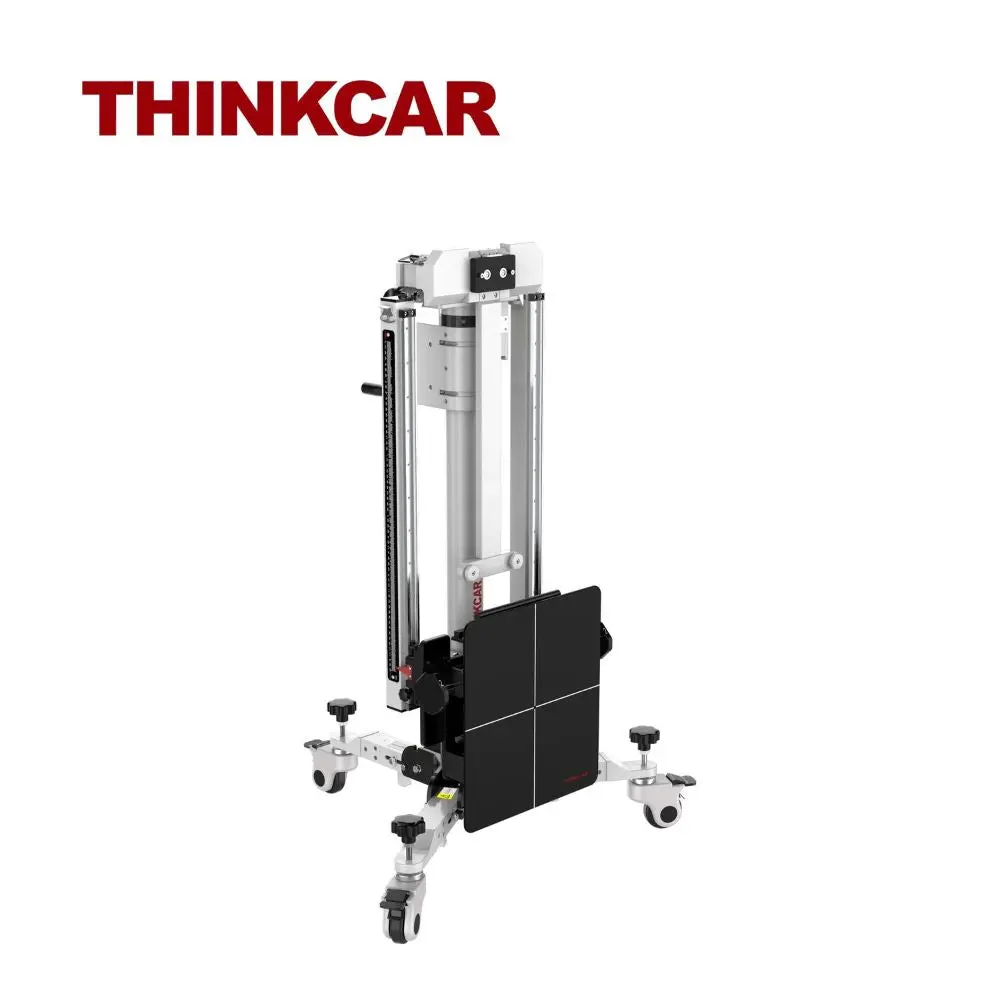
The THINKCAR ADAS MOBILE foldable calibration frame is a must-have for professional collision repair shops, auto body shops, and other automotive repair services.
ADAS calibration equipment is specialised technology used to recalibrate Advanced Driver Assistance Systems (ADAS) in vehicles. These systems include features like adaptive cruise control, lane departure warnings, and automatic emergency braking.
The THINKCAR ADAS Mobile is a foldable calibration frame that prioritises portability and convenience to enhance the efficiency of automotive repair shops. Experienced technicians can easily set up the device within 30 minutes and perform calibration tasks from anywhere. It is designed to be compatible with Thinkcar’s diagnostic scanners, making it an essential tool for professionals working on the latest vehicle models.
Key Components of ADAS Calibration Equipment
- Calibration targets or panels
- Alignment tools (lasers, cameras, etc.)
- Diagnostic software.
- Adjustable frames or stands
Why ADAS Calibration is Necessary After a Collision
A car needs to be recalibrated after a collision for several important reasons:
Sensor Misalignment
Even minor collisions can knock ADAS sensors out of alignment[1]. These sensors need to be precisely positioned to function correctly.
Component Replacement
If any ADAS components (cameras, radars, etc.) are replaced due to damage, they must be calibrated to work properly with the vehicle’s systems[1].
Safety Assurance
Proper calibration ensures that safety-critical systems like automatic emergency braking function as intended[2].
System Interdependence
ADAS features often rely on multiple sensors working together. Misalignment of one component can affect the entire system[3].
Windshield Replacement
If a windshield containing ADAS sensors (e.g., forward-facing cameras) is replaced, recalibration is necessary[1].
Calibration Process
The calibration process typically involves:
1. Positioning the vehicle correctly
2. Setting up calibration targets at specific distances and angles
3. Using diagnostic software to guide the calibration procedure
4. Performing static and/or dynamic calibrations depending on the vehicle and systems involved
Proper ADAS calibration is crucial for ensuring the safety and functionality of modern vehicles after repairs or component replacements. It requires specialised equipment and trained technicians to perform accurately.
Explore more from our collection.
Reviews
There are no reviews yet.